Saturday, March 5, 2016

Whisky I've Drank: Jameson


By Clã do Whisky
A História do Jameson
JAMESON IRISH WHISKEY
Se você acha que o licor Bailey’s, a cerveja Guinness, o leite de excepcional qualidade, o trevo de quatro folhas, o duende e São Patrício (St. Patrick’s) são os símbolos mais fortes da Irlanda, acertou. Mas, não totalmente. Acrescente a essa célebre lista o uísque JAMESON, que por sua suavidade e uma fusão dos sabores baunilha, madeira de carvalho e mel, com um toque picante, de caramelo e avelã, agrada paladares tanto de homens como de mulheres no mundo inteiro.-
A história
Tudo começou em 1780 quando o escocês John Jameson adquiriu a pequena destilaria de Bow Street, localizada na cidade irlandesa de Dublin, e passou a fabricar seus próprios uísques seguindo o método irlandês de destilação. Sua preocupação em produzir um uísque de qualidade superior era tamanha que ele comprou os melhores equipamentos da época, só utilizava ingredientes selecionados (tradição que perdura até os dias de hoje) e selecionava pessoalmente a cevada e os barris de carvalho, não importando quanto custariam. Além disso, enquanto os uísques escoceses eram destilados duas vezes, ele em sua incessante busca pela qualidade máxima submetia o JAMESON Irish Whiskey a um processo de tripla destilação. O resultado de tanto cuidado era um uísque extremamente suave e saboroso, muito agradável ao paladar. Em 1810, seu filho, John II, expandiu a destilaria John Jameson & Son, que se tornou uma das maiores e mais importantes da Irlanda.
John Jameson faleceu em 1823 e seus descendentes deram continuidade ao lema criado por ele: “Sine Metu” (“Sem Medo”), frase presente no brasão estampado em cada rótulo da garrafa do uísque até os dias de hoje. Nos anos seguintes, seu outro filho, John III, tratou de expandir a marca JAMESON pelos mercados internacionais. O uísque JAMESON fez grande sucesso até começar a vigorar a Lei Seca nos Estados Unidos, mercado que pelo grande número de imigrantes irlandeses era um dos mais importantes para marca. Com a revogação da lei a marca voltou a crescer no mercado americano.
Nas décadas seguintes, seu sabor suave e harmonioso permitia uma variedade de combinações, desde drinques clássicos à inovadores, fazendo com que a popularidade e também a demanda pelo uísque crescesse no mundo inteiro. Uma dessas combinações, em virtude da versatilidade do uísque, foi a principal responsável por tornar o JAMESON tão popular: o irish coffee (café irlandês), fusão do café e do uísque irlandês coberto com uma camada de creme de leite fresco ou chantilly, que segundo a lenda surgiu em 1942, no bar do restaurante do aeroporto em Foynes, na Irlanda. Vivendo momentos atribulados na década de 60, a JAMESON uniu forças com suas rivais Cork Distillers e John Powers para formar o Irish Distillers Group em 1966.
A marca irlandesa foi adquirida pelo grupo francês Pernod Ricard em 1988, e nos anos seguintes ganhou força internacional, aumentando sua distribuição e investindo em campanhas publicitárias para se tornar uma marca global. O resultado: em 1995, as vendas do uísque irlandês chegaram aos 10 milhões de garrafas, ajudando à JAMESON a ingressar no seleto grupo das 100 marcas de bebidas alcoólicas mais valiosas do mundo. Em 2004 a JAMESON foi eleita como a marca de uísque de mais rápido crescimento no mundo, com suas vendas atingindo, em 2006, 2 milhões de caixas. Além disso, foi o uísque que mais cresceu no mercado americano na última década; e recentemente apresenta grande crescimento em mercados importantes do segmento como Rússia, África do Sul e França.
A marca organiza uma das maiores festas do mundo no dia de São Patrício (Saint Patrick’s Day), batizada de Jameson Global Party, acontece simultaneamente em 20 países, como Irlanda, África do Sul e Bulgária. Tudo isso com transmissão ao vivo pela Internet nas mais diferentes redes sociais. Além disso, patrocina o The Jameson Dublin International Film Festival, criado em 2003, e que já é considerado um evento internacional dos mais importantes no segmento, atraindo cinéfilos de todas as partes do mundo e vários artistas famosos. Nesse festival internacional de filmes, o cinema é visto como arte e recebe obras de vários países, apesar do foco ser os filmes irlandeses.
JAMESON, o mais famoso dos irlandeses
Dificilmente os irlandeses aceitarão, sem demonstrar uma ponta de ofensa, a insinuação de que o uísque escocês possa ser melhor. Se você pensa que o uísque nasceu na Escócia, está redondamente enganado. Na verdade ele surgiu na vizinha Irlanda. E as diferenças são grandes. Nem a grafia é igual: “whiskey”(para irlandeses) e “whisky” (para escoceses). Aliás, o termo é proveniente justamente de uma palavra irlandesa (“uiske beatha”) que significa em gaélico “água da vida”. Mas as diferenças vão muito além de uma simples letra. O uísque irlandês é destilado três vezes, enquanto grande parte da bebida escocesa passa duas vezes pelo processo. Outra característica marcante do irlandês: o uísque mistura dois tipos de cevada, sendo que um deles germina na água, preservando aroma e sabor leves. Rivalidades, diferenças e polêmicas à parte, o JAMESON é o uísque irlandês mais vendido do mundo e um dos mais populares do segmento. Atualmente a marca oferece uma ampla variedade de uísques:
● Jameson Original: É o carro-chefe da marca irlandesa, um uísque original envelhecido 8 anos e produzido desde 1780.

Saturday, February 27, 2016

Whisky I've Drank: Maker´s Mark


By Josh Peters
Maker’s Mark is probably the best known wheater around. If you’re not familiar with that term, a wheater is a bourbon that’s made with wheat instead of rye in the mash bill which gives it a sweeter taste than most traditional bourbons that use rye (along with corn and malt). Legend has it that when the original owner of Maker’s Mark, T. William “Bill” Samuels Sr., was trying to come up with the mash bill for his bourbon he had 7 options he was considering. Since bourbon takes a minimum of 2 years to age he opted for making a loaf of bread with each of his 7 different options and the best tasting one is what became his whisky (they drop the e at Maker’s Mark).
Samuel’s wife Margie created the name, drew the label and came up with the wax dipping for the bottle giving Maker’s its signature look. Once can’t help but wonder what Maker’s would have become if Samuel’s was left to his own devices. Also, during the creation of his bourbon, Samuels supposedly gained additional assistance from the one and only Pappy Van Winkle himself who has the second most well known wheaters, though definitely the most coveted, named after him. All in all, it’s quite a storied bourbon with a taste to match the tale.
Maker’s Mark Review:
ABV: 45%
Price: $23
Distiller: Maker’s Mark
EYE
Deep amber
NOSE
That unforgettable Maker’s Mark bourbon spice hits first with waves of caramel, cinnamon, malt and vanilla cream pie coming in one after another.
TASTE
Again that Maker’s Mark bourbon spice, caramel, vanilla, cherries and a hint of citrus. There is a slight nuttiness that resides in this whisky.
BALANCE BODY FEEL
Good balance with a medium body. Smooth and easy to drink neat or on the rocks with a nice warming sensation going down.
FINISH
Long dry finish of oak, caramel and a hint of corn.
OVERALL
I like Maker’s Mark. It doesn’t have quite the depth and complex character that you can get with some bourbons, but it’s well balanced, delicious and easy to sip. Being the first bourbon I ever truly started sipping on a regular basis I’ve spent a lot of time with Maker’s over the years. During this time my palate has changed, I’ve had a much wider range of whiskies and so I don’t hold it nearly as high on the totem as I used to. However, I still think it’s a quality product that is well worth its price and works very well as a daily drinker.
SCORE: 87/100

- Maker’s Mark: Empty Bottle Reflections (08-10-14 update)

Whelllp here we are. The last glass of this tasty little bottle. I know it seems a little weird to be doing this for such a small bottle, but I’ve killed more than my fair share of Maker’s bottles in my time so I feel like on some level it’s not the size of the bottle that matters, but the journey you (I) have been through in drinking it.
This being the first whiskey I truly sipped on it has a very special place in my personal pantheon of whiskeys. I’m a big fan of it and its older brother the Maker’s 46. Both are great whiskeys that I enjoy fully and, most importantly, are whiskeys that I enjoy sharing with my friends.
This standard offering is a stalwart in the whiskey world and it’s dependable in its quality from first sip to last. Sure there was that whole messy business about them considering dropping the proof for a bit, but that’s the past and what’s important is what’s happening right now. Which, at this moment is that I’m killing the last of this bottle and enjoying every sip.
There is no score change here, because like I said earlier. It’s a dependable whiskey and that means it stays much the same through the whole bottle. Unless it takes you 3 years to drink it and it’s been quietly oxidizing, then it might change… but that’s your fault not Maker’s.
So cheers to them, cheers to you and cheers to life. Another great whiskey down and it’s on to the next one!

Saturday, February 6, 2016

Whisky I've Drank: Glenfarclas Heritage


By SingleMaltBrasil
Glenfarclas é um dos maltes mais apreciados de Speyside e um dos raros na Escócia predominantemente envelhecido nos caros e prestigiados barris de ex-vinho Jerez.
A Glenfarclas foi fundada em 1836 e adquirida em 1865 por John Grant, sendo uma das poucas destilarias escocesas ainda controlada de forma independente por um grupo familiar.
Teor alcoólico: 40%
Volume: 700 ml
Notas de degustação:
- Aparência: Âmbar claro.
- Olfato: Leve, delicado e oleoso. Nozes, passas, terra molhada e cereais.
- Paladar: Delicado, frutado e licoroso. Baunilha, cerais e café.
- Fim de Boca: Médio, adocicado e frutado.
- Conclusão: Bom balanço entre aromas e sabores.


By Distiller 
Glenfarclas Heritage is produced primarily for the French and Swedish markets. It matures for at least 8 years, with 2/3 of the aging time spent in American oak casks and the remaining 1/3 of aging spent in sherry barrels. It carries no-age-statement and is bottled at 40% ABV.
AGE:
NAS
PROOF:
80
SINGLE MALT
DISTILLED IN POT STILLS FROM 100% MALTED BARLEY, PRODUCED AT ONE DISTILLERY, AGED IN BARRELS; IF SCOTCH OR IRISH, MUST BE AGED FOR AT LEAST THREE YEARS.
CASK TYPE
AMERICAN OAK AND SHERRY.

Sunday, January 17, 2016

Whisky I've Drank: Jack Daniel's Single Barrel Select


By Masterofmalt
Obviously with it not being blended, not everyone is going to have the same experience. I was eating at the Bourbon House in New Orleans with the family and we figured they knew their whiskey. I asked the waiter for something extra special and he recommended the JD Single Barrel. It was a hit with everyone. I now have a bottle at home that is so good, I honestly don't know how it could possibly be improved upon. I'm down near the bottom of the bottle, and it has mellowed out a bit from evaporation, but the flavor is still excellent. I have a bottle of Glenlivet 12, which was about the same price. It's an eye opening experience to go between the two. The JD Single Barrel is just as complex as the Glenlivet, but just tastes so much better.

Monday, January 11, 2016

Whisky I've Drank: Jack Daniel's Gentleman Jack


By Thewhiskeyjug
What does it take to turn Jack Daniel’s into a Gentleman? Well for starters it gets a second sugar maple charcoal filtering… and that’s it. Sure they might pick slightly better barrels that may have aged in slightly more premium spots in the rick house (barrel warehouse), but that’s pure conjecture and really it’s just the second filtering that turns Jack into a Gentleman.
Jack Daniels gets it’s first sugar maple charcoal filtration (called the Lincoln County process) right after it comes out of the still before it gets put into the barrel. Gentleman Jack gets a secondary filtration after it comes out of the barrel and is on it’s way to being bottled. The purpose is to remove any additional impurities, decrease the oakiness and further mellow and sweeten the whiskey. The result is quite noticeable.
Tasted side by side I like the Gentleman a bit more than Old No. 7. It is cleaner, it’s smoother, there is less rawness to it and the sweet bourbon like notes (which it technically is) come out more. However all of this refinement comes at a cost and part of that cost is excitement. It’s a little boring and I’m missing some of that rough charred character that comes in JD 7 to help balance out the intensely sweet notes in this bottle. Then there’s the actual monetary cost. At about 2x the price of regular Jack it’s just not worth it to me and there is a slew of whiskey I’d rather buy for the same price or even less.

Saturday, January 9, 2016

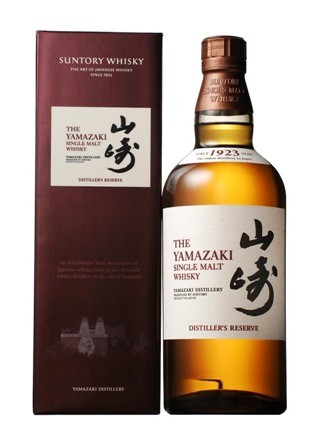
Whisky I've Drank: The Yamazaki Distiller´s Reserve Single Malt


By whiskyforeveryone
The Distiller's Reserve is a new single malt from the Japanese distillery of Yamazaki. The whisky has been constructed to showcase the qualities of Yamazaki's young single malt, which have been matured in ex-red wine casks for three years. These have been accentuated by blending with older malts matured in ex-sherry casks (aged approximately 20 years) and Japanese oak (called mizunara) casks, which are 12+ years old. All the casks used have been hand selected by Shinji Fukuyo, who is only the fourth Chief Blender in owner Suntory's 90 year history.
Yamazaki was Japan's first single malt distillery. It began production in 1923 and was founded by Shinjiro Torri, a man widely regarded as the pioneer of the Japanese whisky industry. It is located in the town of Yamazaki in the Osaka Prefecture, which sits roughly between half way between the major cities of Kyoto and Osaka. It is owned by Suntory, the company that Shinjiro Torri formed in the early 1920s, and has a current annual production of six million litres. This will soon increase as plans have been announced to add four more stills at the distillery, which will increase capacity by 40%.
The Distiller's Reserve joins the 12, 18 and 25 years old expressions to form a core range. They will be occasionally joined by limited editions and older expressions, as has happened in the past. Suntory recommend drinking it neat or in a highball with ice and soda water. The Distiller's Reserve is bottled at 43% ABV and will be £42 per bottle. It will be available very shortly in specialist whisky retailers.
Our tasting notes:
The colour is deep golden yellow and the nose is expressive and full of heady aromas. There is plenty of vanilla and honey to kick things off, before some delicious fruity aromas come through (think of morello cherries and raspberry jam, plus hints of raisin and sultana). There are also underlying fragrant wood spices present including fresh oak, cinnamon, nutmeg and sandalwood.
On the palate, the whisky feels soft and velvety with lovely prominent notes of vanilla, honey and coconut to the fore. There is a lovely delicate and quite sugary sweetness that is reminiscent of something like icing sugar or candyfloss. Further fruity and woody spice notes come through and these add an impressive depth and complexity - think of the morello cherries again plus raisins, bitter orange, cinnamon and oaky tannins (these add a nice 'grip' to the whisky and it clings to the tastebuds as a result). There are also hints of cocoa powder, ginger, toasted nuts and something floral.
The finish is of decent length and begins sweetly and slightly syrup-like, but quickly becomes woodier and spicier. This makes it increasingly dry and the tannic notes from the ex-wine cask matured whisky are definitely most evident now. There is also a slight nuttiness that is most reminiscent of hazelnut.
What's the verdict?
The launch of the Distiller's Reserve has created a ripple of excitement in the whisky community as it is the first new core range whisky to be released by Yamazaki for a number of years. Much like version from its sibling distillery of Hakushu, this new whisky has taken the brand in a slightly different direction to its other core releases.
Suntory have done well with the two Distiller's Reserve releases. Amidst the current fuss being created in certain sections of the whisky community about 'no age statement' whiskies, they have produced two crackers and at a competitive price. The quality of both whiskies is superb and would justify a higher price in our opinion.

Friday, January 8, 2016

Whisky I've Drank: The Glenlivet 18 Years Of Age


By Masterofmalt
This is the best whisky on the market in my book. Smooth as silk with awesome flavor. I have a hard time keeping it in my cabinet because it seems to "disappear" quickly. I nearyly choked my brother-in law when I found he'd poured himself a large "bucket" of Scotch & Soda using my last bottle of 18 year old....bottle is now hidden in the closet!


By TheScotchNoob
To recap, I think The Glenlivet 12 year is slightly better than its similarly-priced rival Glenfiddich 12. On the flip-side, my impression of The Glenlivet 15 year is of moderate improvement that doesn’t justify its price jump. Today, we look at The Glenlivet 18 year, one of the cheapest scotches on the market to have reached 18 years of age. I enjoyed its nemesis, Glenfiddich 18, and I enjoyed the price I got it for at Costco even more. Let’s see how this one fares.
Oddly for The Glenlivet, which staunchly uses ex-bourbon barrels for its maturation, the 18 contains sherry-matured spirit at 12-13% of its volume. Glenlivet does not add coloring agents, but does chill-filter its malts. Finally, this entry in the Glenlivet range gets a bump up in ABV to 43%. About time.
Nose: 
Hint of plum, but otherwise little sherry influence. Some vanilla, but not much wood. Where’s the green apple?
Palate: 
Nice thick body. Creamy, not oily. Golden raisins, fresh green figs, sugar cookies.
Finish: 
Not as smooth as I’d have thought for this age. Vanilla again, and some small amount of bitterness. Anise.
With Water: 
Brings out coconut on the nose, and some nice fresh banana. I actually like this banana – it smells fresh and clean. The water thins the body somewhat, and ups the acidity, but kills the palate in the process, making it watery. Skip the water.
Overall: 
The nice thing about the 12-year is the interesting fresh elements of green apple. The 15 also has some of that, but by the age of 18, it’s mostly gone. In its place isn’t woodiness, or sweetness, or even much complexity. I’m not sure what was happening in the barrel during those 6 extra years, but it wasn’t doing much to elevate this casual standard whisky, alas. That said, it’s hard to beat a decent, drinkable 18 year for under $80. That pricing strategy is the reason I enjoy the 12-year, so why not enjoy the 18 for the same reason? Keep in mind that the Glenfiddich 18 has more flavor and can be even cheaper (I once found it at Costco for $44 a bottle!). Shop accordingly.